Articles
The Mecca Effect: Marketing Lessons from Australia’s Beauty Powerhouse
The Mecca Effect: Marketing Lessons from Australia’s Beauty Powerhouse
Redefining Beauty Retail in Australia
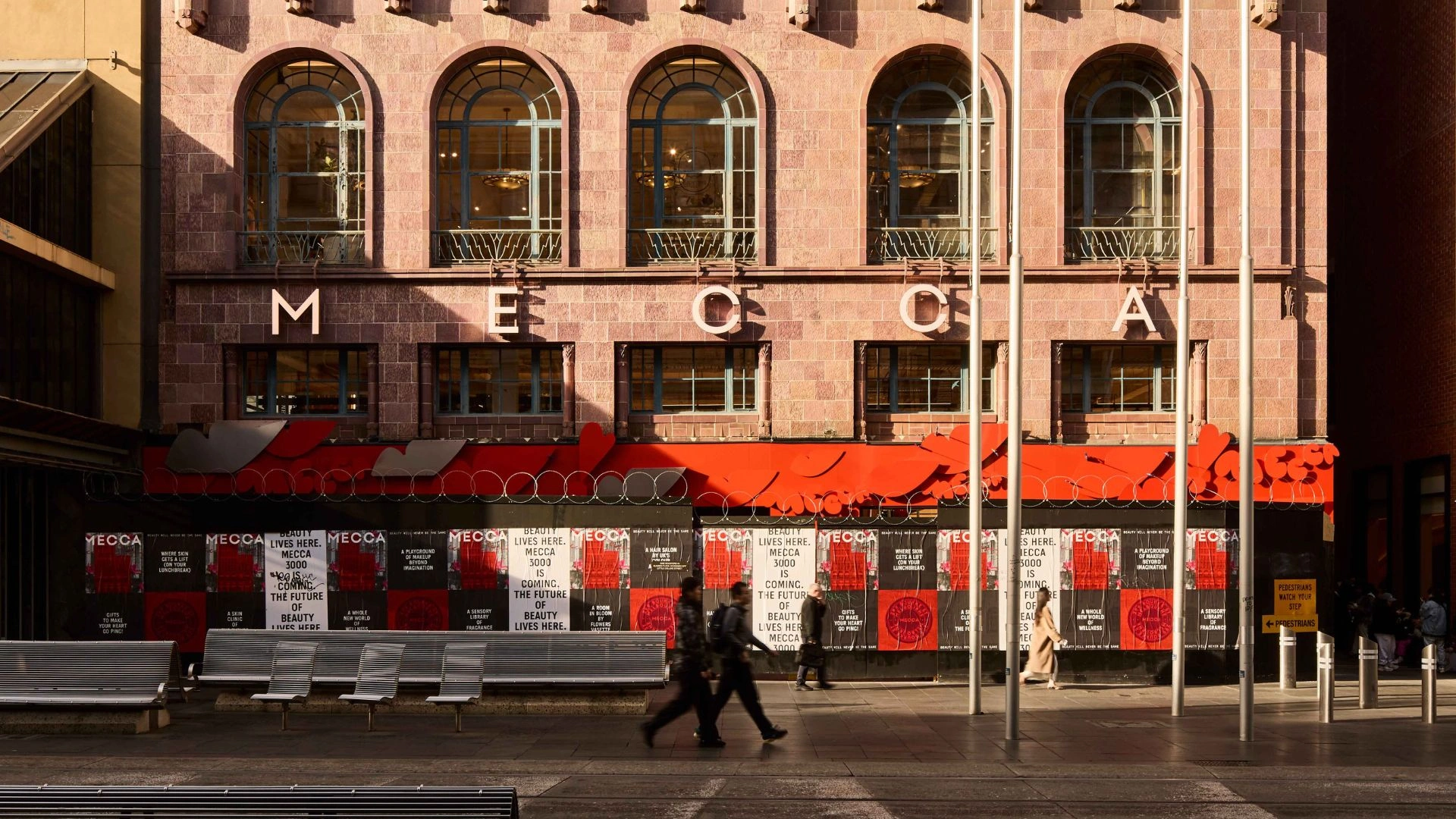
In Australia’s retail landscape, beauty has long been dominated by global giants such as Sephora and department stores like Myer. Yet one homegrown brand has not only held its own but redefined the rules of engagement. Mecca has become more than a store; it is a destination, a community, and a cultural phenomenon. How did an Australian-born retailer achieve $1.28 billion in revenue in 2024 and cultivate over four million Beauty Loop members across Australia and New Zealand? The answer lies in its strategic marketing, experience-driven approach, and ability to anticipate consumer trends.
Premium Yet Approachable: Brand Positioning
From the outset, Mecca positioned itself as a premium yet approachable beauty retailer. Unlike department stores that can feel intimidating, Mecca's stores are designed to be welcoming and engaging. Every detail, from the lighting to the store layout, encourages exploration. The company’s decision to secure exclusive partnerships with cult international brands such as Korres, BYREDO, Tower 28, Kiehl's, and Summer Fridays, transformed its stores into destinations. Customers flocked to Mecca not just for products, but for the chance to access items unavailable elsewhere in Australia. This exclusivity became a powerful marketing tool, establishing Mecca as a leader in beauty retail.
Experiences That Captivate and Convert
Products alone could not account for Mecca’s rapid rise. The company understood that modern consumers crave shareable, memorable experiences. Mecca’s stores are designed as playgrounds for beauty enthusiasts, offering fragrance libraries, makeup bars, and skincare consultations.
The Meccaland festival epitomises this philosophy. In 2019, the event attracted over 15,000 attendees, featuring interactive installations, influencer appearances, and thousands of product samples. Social media amplified the reach of these events, turning every attendee into an ambassador and creating organic buzz around the brand. Experiences like this generate engagement far beyond what traditional marketing campaigns can achieve.
Building Loyalty Through Community
Central to Mecca’s strategy is the Beauty Loop, a loyalty program that goes far beyond points or discounts. With over four million members, the program offers exclusive rewards, early access to new product launches, and invitations to VIP events. By prioritising status, recognition, and belonging, Mecca fosters a sense of community that strengthens customer loyalty. Members feel valued, creating an emotional attachment that keeps them returning, even in the face of discounts from competitors.
Content That Educates and Inspires
Content marketing plays an equally important role in the Mecca Effect. Through initiatives like the Mecca Memo blog, Mecca provides tutorials, masterclasses, and expert advice that educate and inspire. This positions the company as a trusted authority in the beauty space, builds confidence in purchases, and keeps the brand top of mind. Education has become a key driver of retention and conversion, proving that modern marketing is as much about knowledge-sharing as it is about product promotion.
Seamless Omnichannel Experience
Mecca excels in integrating online and offline channels. Customers can browse products online, book in-store appointments, redeem loyalty rewards, or even schedule virtual consultations. Services such as Click & Collect create convenience while maintaining the premium experience. By ensuring consistency across digital and physical touch points, Mecca meets modern consumer expectations and reinforces its position as a customer-centric brand.
Expanding Into Wellness
Recognising the growing intersection between beauty and wellness, the brand introduced Mecca Apothecary within its Bourke Street flagship store. This concept includes naturopathy and acupuncture services. By entering this adjacent category early, Mecca positioned itself not just as a beauty retailer, but as a lifestyle destination.
Financial Performance and Market Dominance
These strategies have translated into tangible results. In 2024, Mecca reported $1.28 billion in revenue, up from $1.21 billion in 2023. While net profit declined nearly 20% to $22.7 million due to operational costs, the company remains a dominant player in the Australian beauty market, outpacing competitors such as Myer and Sephora. Investment in flagship stores, including the $50 million redevelopment of Melbourne’s Bourke Street location, has created immersive, four-level retail destinations that further enhance the customer experience.
Looking Ahead: The Mecca Effect Beyond Beauty
As Mecca continues to evolve and expand deeper into wellness and lifestyle, one question remains: Can the Mecca Effect be replicated outside the beauty sector? And as the company moves beyond beauty into a broader lifestyle proposition, are they still a retailer, or are they on the path to becoming Australia’s first true lifestyle super brand?
Marketing That Looks Good Enough To Eat
Marketing That Looks Good Enough To Eat
In today’s crowded luxury market, grabbing attention means appealing not just to sight, but to all the senses. Increasingly, brands are borrowing from the world of food, tapping into deep, instinctive cravings to create irresistible products that look good enough to eat. It is a powerful shortcut straight to the brain’s pleasure centres, turning everyday routines into moments of indulgence.
The Neuroscience Behind the Craving
Our brains light up when we see food-like textures and colours. The softness of whipped cream, the gloss of candy wrappers, and pastel hues reminiscent of ice cream activate dopamine-driven reward centres. This sensory trigger forms a deep emotional connection that luxury brands are currently leveraging.
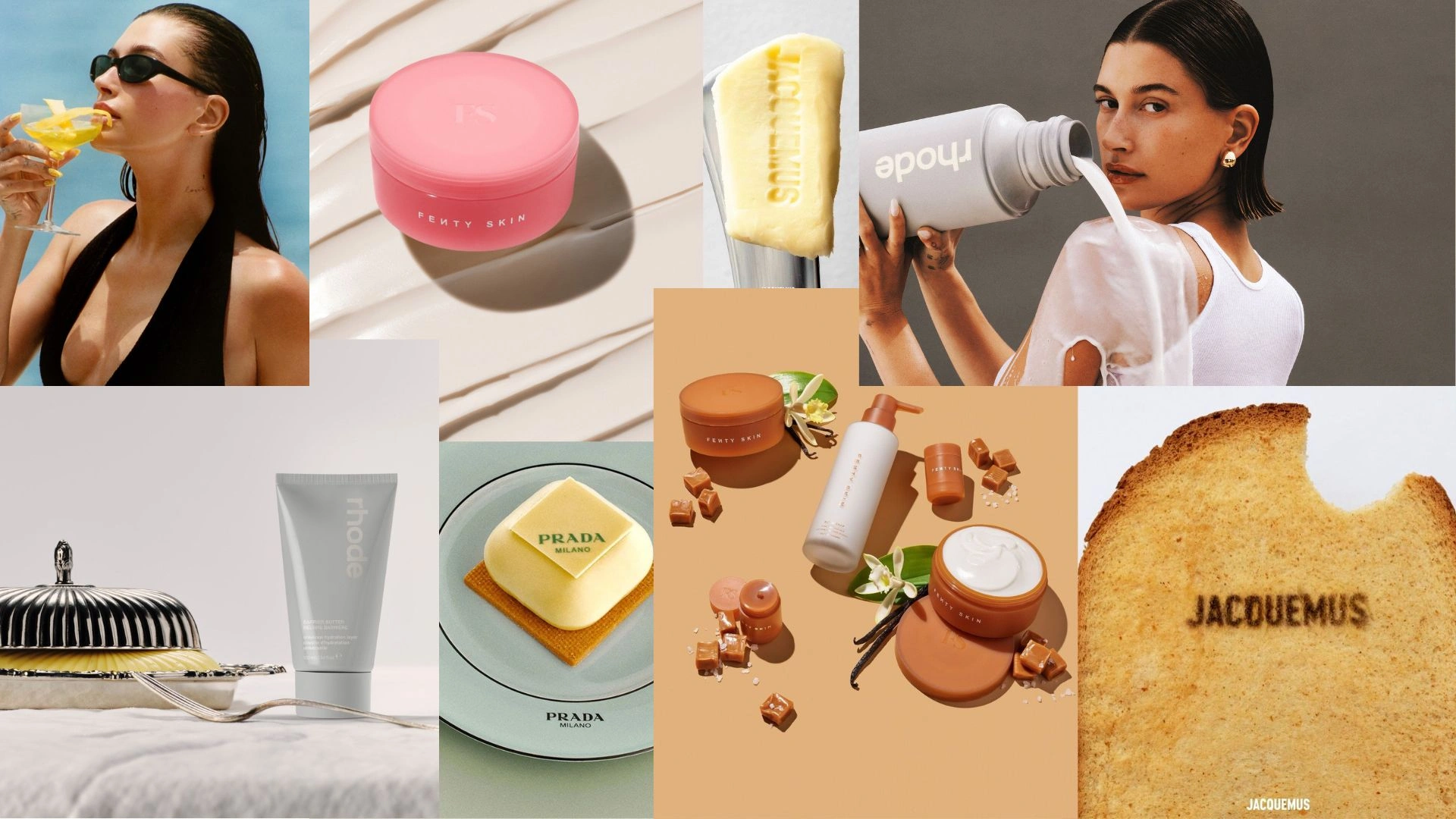
Hailey Bieber’s brand Rhode offers products like their Glazing Milk toner and Barrier Butter moisturiser, which evoke a sense of indulgence through their rich textures and soft visuals.
In 2025, the brand leaned again into the food-meets-beauty aesthetic with a summer campaign inspired by lemon martinis. At the centre was the Lemontini flavoured Peptide Lip Tint, styled with lemon martinis with lemon peel. The campaign turned the product into more than skincare, it became a moment of sensory indulgence that felt like sipping a cocktail in Europe during summer.
Selling a Feeling, Not Just a Product
When products look like cupcakes or candy jars, they invite indulgence and comfort. This strategy isn't just about the function of the product, it's about turning everyday beauty or fashion into small moments of pleasure.
Rihanna’s brand Fenty Skin offers scented body creams featuring indulgent fragrances, like guava or salted caramel, which is paired with minimalist, colourful packaging. This turns skincare into a sensory treat. Meanwhile, Jacquemus uses rustic food imagery such as bread and butter to evoke warmth and simplicity, making luxury fashion feel inviting and comforting.
Why It Works Before You Even Touch the Product
The emotional pull starts before unboxing. Your brain anticipates the softness, sweetness, and pleasure just by seeing or smelling the product. This builds excitement and loyalty.
Laneige embraced the food aesthetic trend with its Glaze Craze Tinted Lip Serum, featuring a donut-inspired squishy applicator. On social media, the product is styled alongside colourful donuts, showcasing its shade range with playful donut-inspired names like “Blueberry Jelly” and “Strawberry Sprinkles." The result is a visually irresistible blend of skincare and indulgence that invites users to turn their skincare routine into a sweet, sensory ritual.
Final Scoop
Food aesthetics in marketing is more than just a trend. It is a smart, instinctive way to connect on an emotional level. By appealing to cravings for comfort and pleasure, brands like Rhode, Fenty, Laneige, Jacquemus and many others create meaningful connections that elevate the consumer experience.
So next time you're shopping at Sephora and you're drawn to a product that looks good enough to eat, it is already working its magic by making you feel something before you even try it.
Is TikTok Becoming The New YouTube?
Is TikTok Becoming The New YouTube?
Spoiler: Kind of… but it’s complicated.
A few years ago, if you wanted to learn literally anything - from cooking a recipe to fixing a leaky tap - YouTube was the go-to. The platform earned its spot as the internet’s tutorial library, vlogging haven, and music video vault. But lately, TikTok has been inching (or sprinting?) into that territory, and it’s not just about viral dances or chaotic storytimes anymore.
So, what’s going on? Is TikTok actually becoming the new YouTube?
The Rise of Long-Form on a Short-Form Platform
TikTok built its empire on 15-second videos. Then it upped the limit to 60 seconds. Then 3 minutes. Then 10. And now? Some creators are posting full-blown mini-documentaries, cooking tutorials, and even movie recaps that rival early YouTube content in depth.
It’s a classic case of “come for the memes, stay for the knowledge.”
People go to TikTok for entertainment, but increasingly, they’re sticking around to learn. And creators are noticing. Many are cross-posting YouTube-style content - “Get Ready With Me” vlogs, deep dives, how-tos - optimised for vertical scrolling and short attention spans.
TikTok Is My New Search Engine
Personally, I’ve started using TikTok the same way I used to use YouTube or even Google. Looking for a new fragrance? I type in the name and get dozens of authentic, unfiltered reviews, often with vibe checks and comparisons to scents I already know. Curious about a skincare product? I get instant reactions, routine breakdowns, and before-and-afters all in under a minute. Need dinner inspiration? TikTok delivers healthy recipes that are visually satisfying and actually doable on a weeknight.
The bonus? Everything feels more human. It’s not just someone reading a script; it’s someone who’s tried it, loved it (or not), and is sharing their experience in a way that feels like a friend texting you a voice memo. That kind of content just hits different.
Discovery is the Game-Changer
TikTok’s For You Page is pure algorithmic magic. It doesn’t care how many followers you have, if your video’s good, it will find an audience. Compare that to YouTube, where discovery tends to favour already-established channels or search-optimised content. On TikTok, a first-time creator can go viral overnight. That’s powerful.
This shift in discovery also impacts how people learn. Instead of searching “how to fix a squeaky door,” you might just see a video on your FYP because the algorithm knows you recently bought WD-40 or engaged with home improvement content. Creepy? Maybe. Effective? Absolutely.
The Vibe is Different
Let’s be real: YouTube is polished. TikTok is messy, in a good way. The content feels more real, less edited, more “hey I just thought of this” and less “welcome back to my channel, don’t forget to like and subscribe.” That raw, unfiltered vibe is what Gen Z (and let’s be honest, a lot of Millennials too) are gravitating toward.
Creators don’t need a full production setup to get views. They just need a phone, an idea, and maybe a good hook in the first three seconds. That lower barrier to entry makes TikTok feel more accessible, and way more fun.
Monetisation Still Has Some Catching Up to Do
Let’s not forget, YouTube still rules when it comes to monetisation. The YouTube Partner Program pays out creators through ad revenue, while TikTok’s monetisation tools have been… let’s say, inconsistent. But TikTok is catching up, experimenting with creator funds, in-app tipping, and now, Series (essentially paid content packages).
Meanwhile, brands are throwing serious money at TikTok influencers, sometimes more than they would for a YouTube ad spot. So even if the platform itself isn’t making everyone rich (yet), the opportunities are growing.
So, Is TikTok Replacing YouTube?
Not exactly. Think of it more like evolution than replacement.
YouTube is still the go-to for deep dives, full tutorials, podcasts, and content you want to watch on a bigger screen. But TikTok has carved out its own lane, and now it's expanding it.
We’re living in an era where the same creator might post a 60-second “Day in My Life” on TikTok, a 10-minute vlog on YouTube, and a five-slide carousel on Instagram… all telling the same story in platform-native ways. So while TikTok may not replace YouTube, it’s definitely redefining what kind of content we expect from creators, and how we consume it.
Spotify’s Daylist & The Art of Designing For Conversation
Spotify’s Daylist & The Art of Designing For Conversation
Spotify’s Daylist has taken over our office.
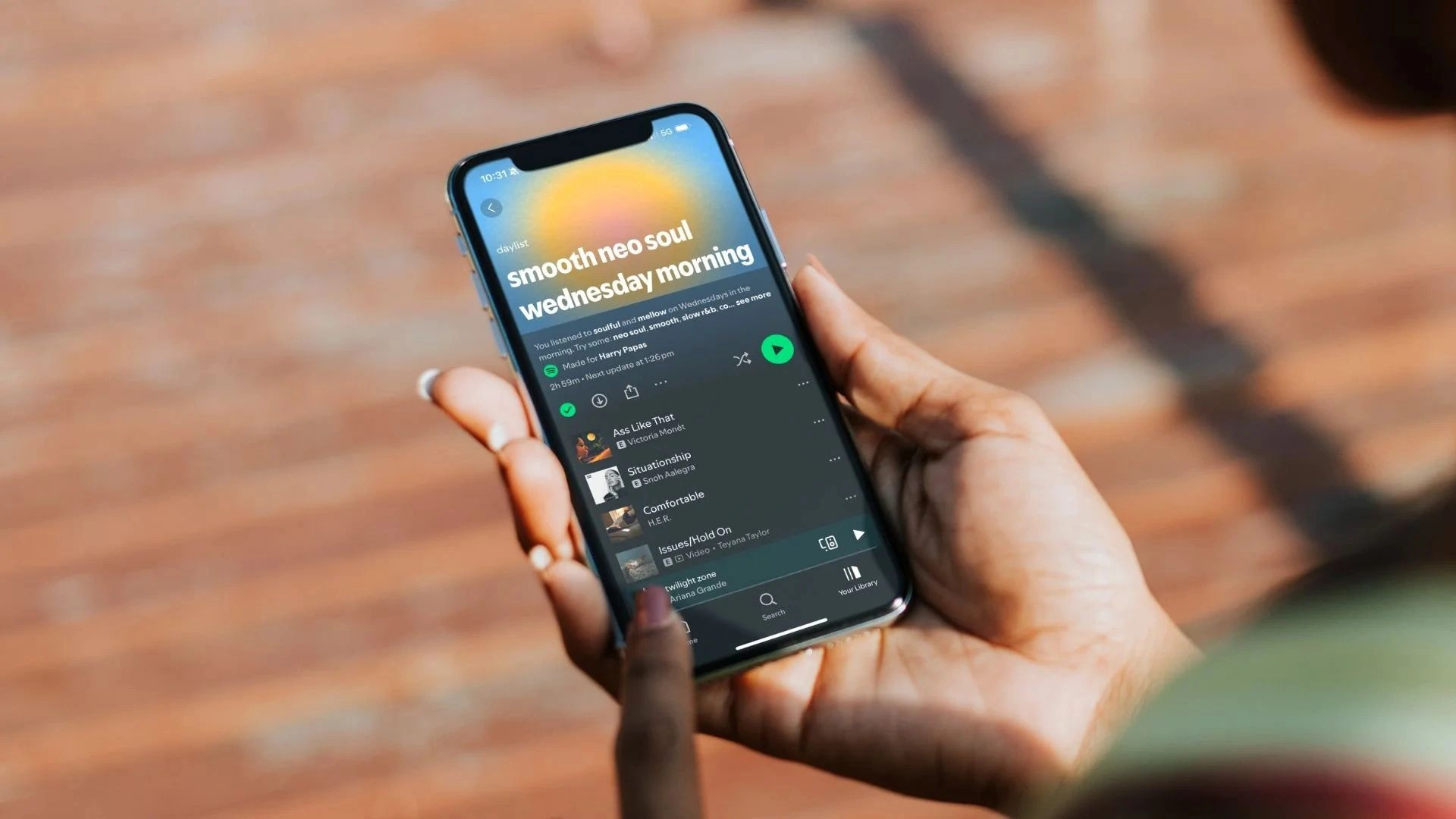
It’s hard not to talk about it when your morning playlist is called “Smooth Neo Soul Wednesday Morning” and somehow it nails your mood. Then by the afternoon, it shifts to something like “Pre-Weekend Synth Chill Thursday Vibes.” It’s weird and specific.
And just like that, it becomes a conversation starter.
Spotify has figured out a formula that a lot of brands chase: create something so delightfully tailored and socially fluent that people want to talk about it without being told to.
Designing For Social Moments (Without Saying “Share This!”)
Spotify is a streaming service, yes. But it behaves like a social platform without looking like one. No likes. No comment sections. Yet somehow, it consistently dominates social feeds.
That’s not an accident. It’s great product design.
Let’s look at how they do it:
Spotify Wrapped: A year-end ritual. Beautiful, bold, bite-sized slides designed for screenshots and Stories. It’s not just a music summary, it’s a personal highlight reel.
Daylist: Constantly updating, hyper-specific, delightfully absurd playlist titles that feel meme-ready. It’s designed to surprise you, and make you show someone else.
Blend: Invite a friend, mix your music tastes, and get a playlist that tells a little story about your dynamic. Perfect for sending, posting, or laughing about in your DMs.
Playlist Covers and Names: Every major social feature comes with a pre-built image card or summary that looks good on your phone screen. No need to edit, crop, or caption - just tap and go.
In all of these features, Spotify never asks you to share. It makes you want to.
Why It Works
What Spotify gets right is that personalisation is only part of the equation. The real power comes when personal experiences feel shareable, when someone sees your Daylist or Spotify Wrapped and says, “Wait, I want to see mine.”
They’ve cracked the code on how to turn solitary listening into something communal.
And they’ve done it by designing for conversation, not just consumption.
What You Can Take from Spotify
Whether you’re building a product, a service, or a brand experience, here are a few things Spotify can teach us:
Design with screenshots in mind: Think about how your product looks in a group chat, not just in-app.
Create moments that feel like inside jokes: The more specific something is, the more universal it becomes - because people see themselves in it.
Lean into emotional resonance: Nostalgia, humour, surprise - Spotify uses all of these to make moments feel worth sharing.
Don’t force it: The best social moments don’t come with pop-ups asking you to post. They come from features that are just too good to keep to yourself.
One Last Thing…
Spotify didn’t just make music social, it made personalisation public. And in doing so, it turned passive users into active ambassadors, without ever calling them that.
So, what’s your Daylist today?
And more importantly, how can your brand create something people can’t help but share?
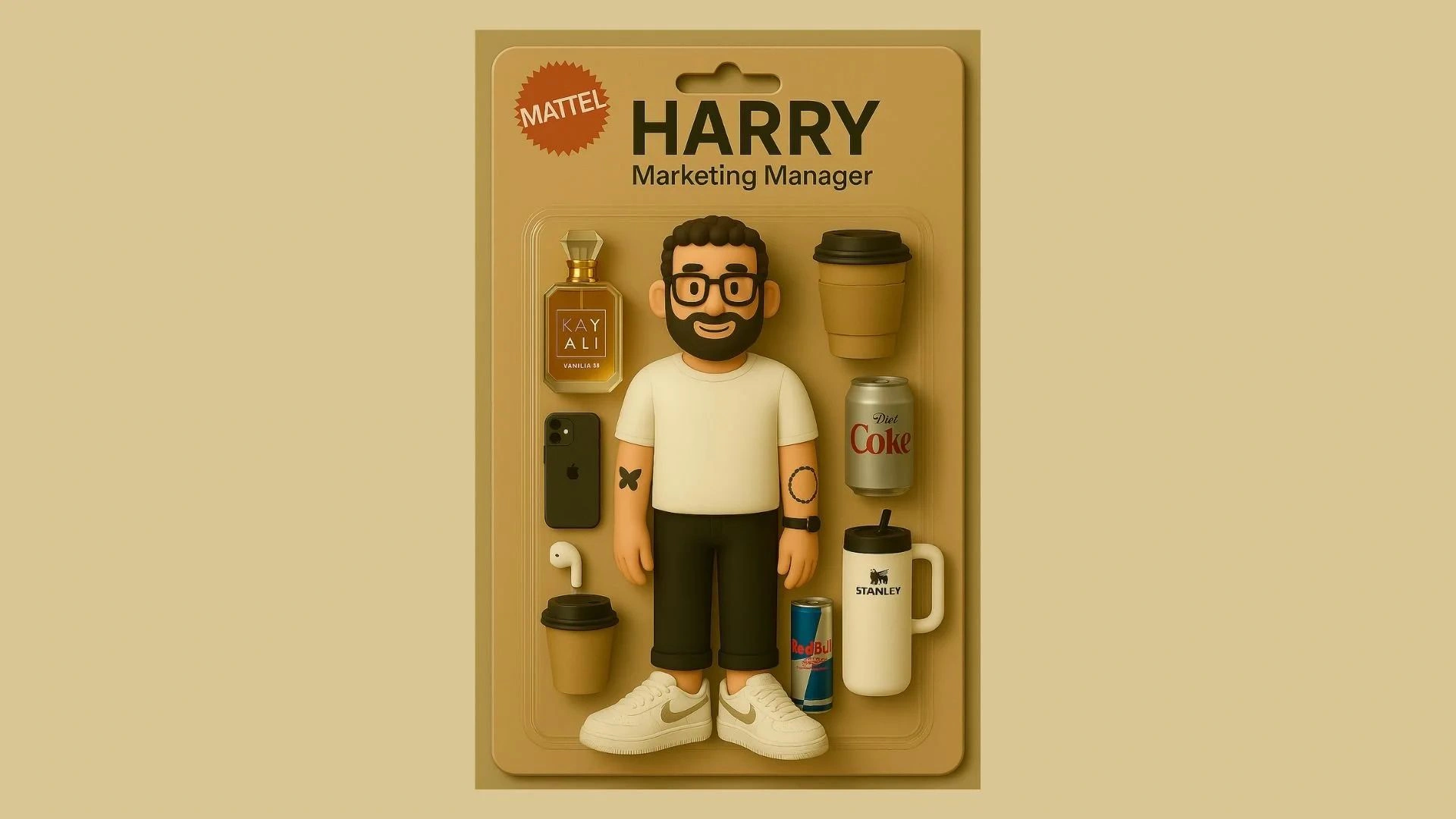
Caffeine & Kayali: My AI-Generated Action Figure
Caffeine & Kayali: My AI-Generated Action Figure
Lately, I’ve been diving into the world of AI-generated imagery, and let me tell you - it's been a blast. One of my latest experiments was jumping on a trend, and turning myself into an action figure powered by caffeine (because, of course) as well as one of my favourite fragrances, Kayali Vanilla 28, even making an appearance. It’s fun and weirdly accurate, and I’m here for it.
But it’s not just about making cool images, there’s something bigger happening here. This trend is all about how AI can create moments that are shareable. Moments that make you laugh, relate, and hit that “share” button without a second thought.
Why AI-Generated Moments Are So Shareable
Here’s the thing: AI allows us to bring those little, quirky aspects of our personalities to life. Whether it’s your obsession with caffeine or your favourite snacks - AI can turn these things into something visual and fun that people actually want to share.
Take my action figure for example: it’s more than just an image. It’s a brief snapshot of my personality. And that’s what makes it so perfect for social media. It’s not just “look at this cool picture”, it’s a moment that tells a story.
AI Is Great, But Human Designers Are Still Essential
As much fun as it is to experiment with AI, I want to make something clear: AI is an incredible tool, but it doesn’t replace human creativity.
Yes, AI can generate quick, eye-catching images. Yes, it can personalise content in a way that feels almost magical. But there’s a lot it can’t do. AI can’t tell a story with the same nuance or emotional depth that a human designer can. It doesn’t know how to take a complex concept and turn it into a cohesive, meaningful design that speaks to a specific audience.
Take my action figure for example, even though I uploaded a photo of myself, it still didn’t get my tattoos right. That small detail might seem minor, but it’s part of what makes me me. It’s a great reminder that AI can imitate, but it doesn’t always interpret the details that matter most.
That’s where human designers come in. They bring the heart and the emotional intelligence that AI simply can’t match. The best results happen when AI and human creativity work together, AI can take care of the quick stuff, but it’s the designer’s vision that makes it stand out.
Why This Matters for Social Media
So, what’s the big takeaway here? When it comes to creating shareable content, AI opens up a whole new world of possibility. It gives us the freedom to experiment and turn everyday moments - like my love for coffee - into something visual that feels fresh and exciting.
But the secret sauce is always going to be that mix of creativity and relatability. AI helps make that easy, but the human touch is what makes it worth sharing. It’s not just about the image, it’s about the story, the feeling, and the personal connection we make with others through what we share.
How AI Can Spark Creative Moments
Think about it: you’ve got an idea, maybe something silly or quirky, and AI can help turn that into something shareable. Whether it’s a fun portrait, a personalised action figure, or an out-of-the-box concept, AI can help make those ideas come to life without needing to be a design expert. And that’s powerful.
Here’s why AI is such a game-changer for content creation:
It makes content personal: AI lets us create images that are tailored to our individual quirks, passions, and interests. And people love that.
It’s super shareable: The content AI helps create is often eye-catching, funny, or relatable, and that’s exactly what we want to share.
It sparks creativity: AI makes it easy to experiment. You don’t need to be a pro designer to create something fun and engaging.
AI Isn’t Just a Tool, It’s a Creative Partner
At the end of the day, AI isn’t replacing the creative process, it’s enhancing it. It’s about using AI to create the kind of shareable, authentic moments that resonate with people. And when it’s done right, it opens up a whole new world of creative expression.
So, what’s next? Who knows, maybe you’ll see more people turning their quirks into AI-generated action figures. Or maybe it’ll be something even wilder. Whatever it is, I’m excited to see how AI continues to make content creation more fun, and how we can all use it to tell our stories in new, creative ways.